
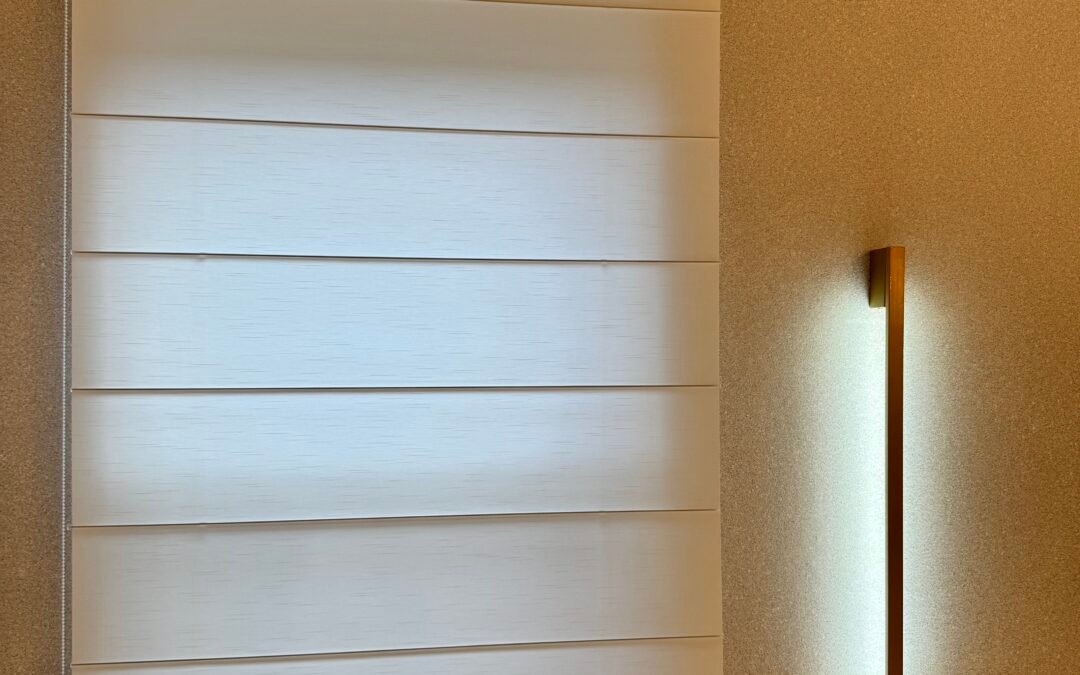
Solar Shades in Florida Homes: Managing Heat Without Blocking Light
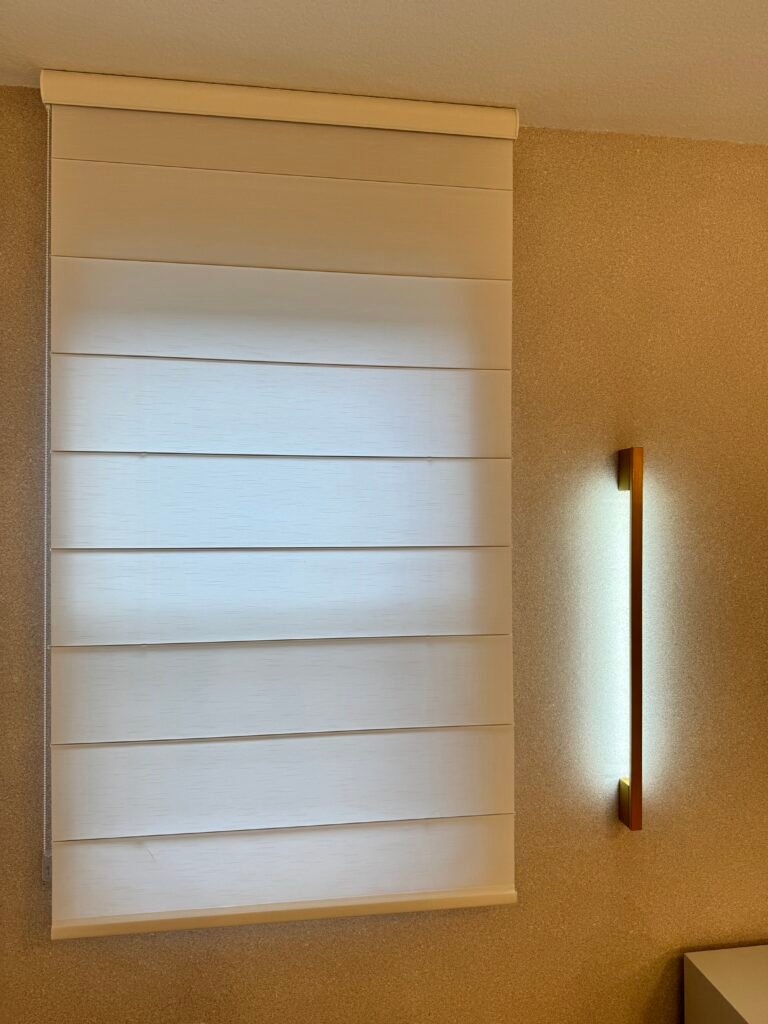
Living in Florida means living with sunlight. Bright mornings, intense afternoons, and long days are part of everyday life. Natural light is one of the best features of a home, but when it becomes excessive, comfort quickly turns into discomfort.
For this reason, solar shades have become a common solution in Florida homes.
Designed to reduce heat and glare, solar shades keep rooms bright without making them feel dark or closed. Instead of fighting daylight, they help control its intensity, which is especially important in homes exposed to strong sun throughout the day.
By understanding how solar shades work, homeowners can make better decisions based on comfort, not just appearance.
What Solar Shades Actually Do
Solar shades filter sunlight rather than block it completely.
Instead of stopping light at the window, they limit how much heat and glare enter the room. As a result, interiors remain brighter than spaces with blackout options, while still feeling more comfortable.
Because of this balance, solar shades are often used in:
living rooms with strong sun exposure
home offices
rooms with large windows
spaces where daylight plays an important role
In warmer climates, managing heat becomes just as important as managing light, which explains their popularity.
How Solar Shades Reduce Heat and Glare
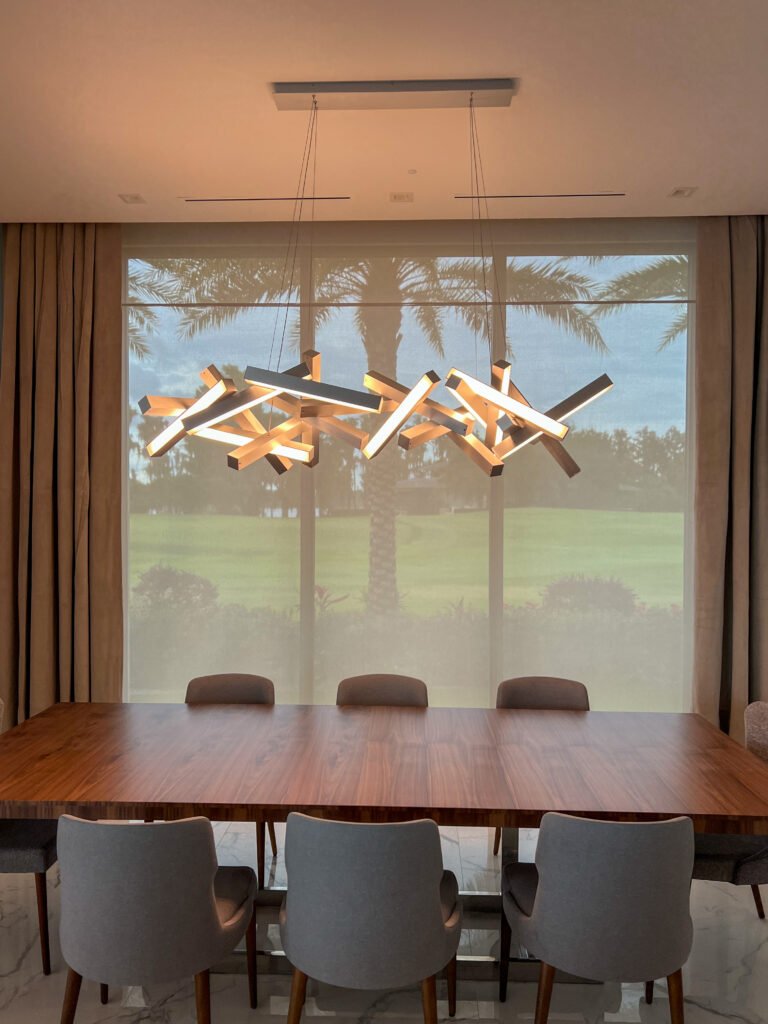
How Solar Shades Reduce Heat and Glare
Sunlight carries heat, and once it passes through glass, that heat stays inside the room.
Solar shades help in several ways:
they reduce glare on surfaces
they limit heat transfer through windows
they soften harsh sunlight
At the same time, fabric openness determines performance. More open fabrics allow more light and views, while tighter weaves block additional heat and glare.
The goal is never to darken the room. Instead, the goal is to make the space feel comfortable throughout the day.
Why Solar Shades Feel Different from Other Shades
Unlike roller or roman shades, solar shades maintain a visual connection to the outside.
Even when lowered, they allow views to remain visible. Because of this, rooms feel open rather than closed. This difference becomes especially noticeable in spaces discussed in curtains for large windows, where blocking the view entirely would change the character of the room.
In practice, solar shades keep light present, just in a calmer and more controlled way.
Light Control Without Darkness
One of the main advantages of solar shades is balance.
They reduce brightness, control glare, and still maintain natural light. Because of this combination, they work well in rooms where daylight is welcome but discomfort is not.
Unlike blackout shades, solar shades do not turn rooms into dark spaces during the day. For many homeowners, this balance is what makes them easy to live with.
Privacy: What Solar Shades Can and Cannot Do
Privacy with solar shades depends on lighting conditions.
During the day, when outdoor light is stronger than indoor light, solar shades provide good privacy. From inside, it remains easy to see out, while from outside, it becomes much harder to see in.
At night, however, the situation changes. Interior lights make solar shades more transparent. For this reason, solar shades are often combined with other window treatments to improve nighttime privacy.
Knowing this in advance helps avoid frustration later.
Solar Shades and Window Size
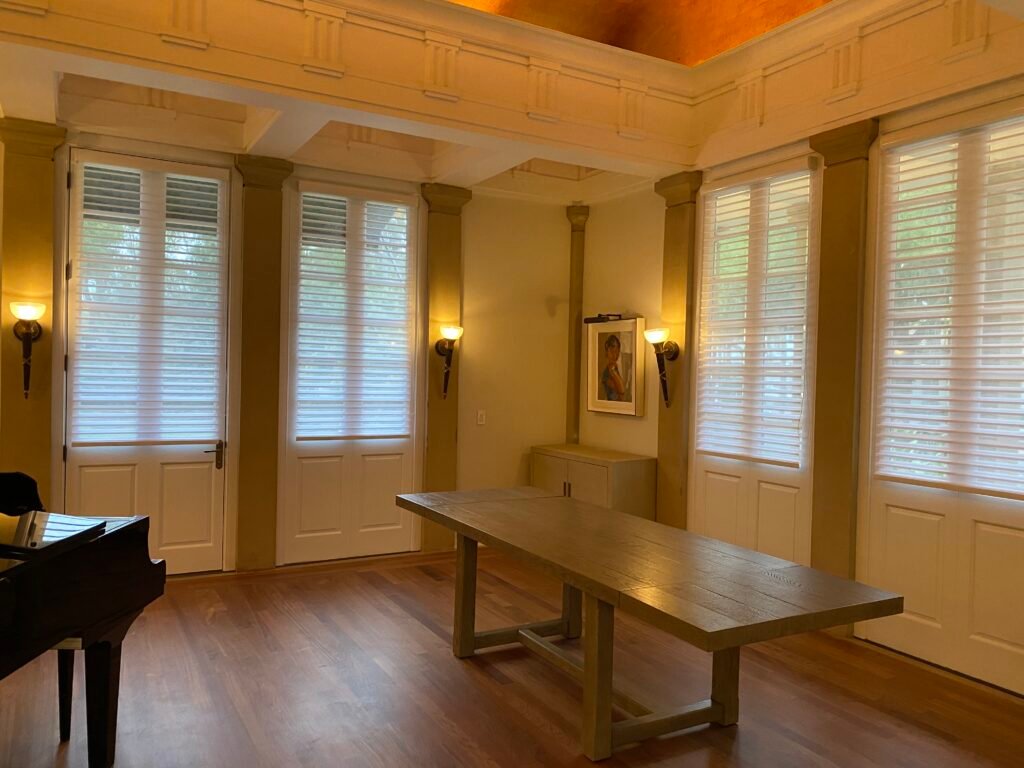
Window size plays a major role in how solar shades perform.
On large or wide windows, solar shades control heat without adding visual weight. Their flat, clean appearance scales well in open layouts and modern homes.
Because of this, they are often chosen for spaces where bulky treatments would feel distracting.
Fabric Openness and Performance
Solar shade fabrics come in different openness levels, which directly affects performance.
Openness influences:
how much light enters the room
how much heat is reduced
how clear the outside view remains
Choosing the right openness is essential. A fabric that is too open may not reduce glare enough, while one that is too closed may make the room feel darker than expected.
The same principles discussed in fabric behavior in custom drapes apply here. Fabric choice has a direct impact on comfort and daily satisfaction.
Daily Living with Solar Shades
In many homes, solar shades stay down for long periods during the day.
Because of this, they need to operate smoothly, feel easy to live with, and blend naturally into the space. When shades are difficult to adjust or visually distracting, they tend to be ignored, even if they perform well.
Good design allows solar shades to disappear into daily life.
Where Solar Shades Work Best in Florida Homes
In Florida homes, solar shades are especially useful in rooms with strong sun exposure, large glass surfaces, and open layouts.
They help maintain comfort without closing off the space. This is why solar shades play an important role in custom window treatments in Orlando homes, where sunlight is constant and intense.
Solar shades support brightness without letting heat take over.
Thermal Comfort and Energy Awareness in Florida Homes
In Florida, heat is not an occasional problem. It is part of everyday life.
Rooms with large windows can feel comfortable in the morning and uncomfortable by early afternoon. Solar shades help reduce this swing by limiting how much heat enters the space during peak sunlight hours.
They do not turn a home into a sealed box. Instead, they slow down heat gain and help rooms feel more stable throughout the day. This often reduces the need to constantly adjust air conditioning, especially in rooms that face direct sun.
Over time, this balance makes daily living feel easier and less reactive.
Solar Shades vs. Blackout Shades: Knowing When Each Makes Sense
Solar shades and blackout shades are often compared, but they are not meant to do the same job.
Solar shades are designed for:
daytime comfort
glare control
maintaining light and views
Blackout shades are designed for:
full light blockage
nighttime privacy
controlled environments
In many homes, solar shades are used during the day and paired with other treatments for the evening. This avoids turning bright spaces into dark rooms when darkness is not needed.
This balance works especially well in spaces already discussed in sheer vs blackout curtains, where flexibility matters more than extremes.
Privacy at Night: Planning Ahead Avoids Frustration
A common mistake is expecting solar shades to provide full privacy at all times.
During the day, they perform well. At night, interior lighting changes how they behave.
This does not make solar shades a poor choice. Instead, it highlights the importance of planning them as part of a system rather than a standalone solution.
By pairing solar shades with curtains, blackout panels, or layered treatments, homeowners maintain comfort without sacrificing openness during the day.
When Motorized Solar Shades Make a Difference
In rooms with large or hard-to-reach windows, solar shades often remain down for long periods.
In these cases, motorized window treatments make daily use easier. Motorized solar shades work especially well when windows are tall or wide, multiple shades move together, or adjustments happen daily.
When planned correctly, motorization stays out of sight and simply improves comfort. Technology should support the space, not become its focal point.
Choosing Solar Shades by Room Type
Solar shades work best in rooms where light is welcome but heat and glare are not.
Living rooms often benefit from solar shades for daytime comfort, paired with curtains for evening use. Home offices gain from reduced screen glare and consistent daylight. Kitchens usually need easy-to-clean shades that control light without darkening the space.
Bedrooms, however, often require blackout or layered solutions, with solar shades playing a secondary role.
The right choice always depends on how the room is used.
Window Size Changes How Solar Shades Perform
As windows get larger, solar shades become even more useful.
Their clean, flat design scales well in large openings without adding visual weight. This makes them especially effective in spaces discussed in curtains for large windows, where heavy treatments would feel overwhelming.
Solar shades keep rooms open while still improving comfort.
Fabric Choice Still Matters More Than People Expect
Not all solar shade fabrics perform the same way.
Differences in openness, color, and weave affect:
how much heat is reduced
how clear the outside view remains
how bright the room feels
Choosing the right fabric is essential. This is where understanding fabric behavior in custom drapes also applies. Fabric choice should match the room, not just the window.
Why Custom Solar Shades Solve Most Problems
Many frustrations with solar shades come from ready-made products.
Standard sizes and limited fabric options force compromises. Shades may be slightly too wide, too short, or not perform as expected in strong sun.
This is where the difference between custom vs ready-made window treatments becomes clear. Custom solar shades are designed around the space, not adjusted to fit it.
That usually leads to better comfort and fewer regrets.
Solar Shades in the Context of Orlando Homes
In Orlando, sunlight is constant and intense. Homes are designed to enjoy it, but they also need ways to manage it.
Solar shades help maintain brightness while reducing heat and glare. Because of this, they are an important part of custom window treatments in Orlando homes, where comfort and openness must exist together.
When planned well, solar shades feel like a natural extension of the home.
A Simple Way to Think About Solar Shades
If you want light without glare, comfort without darkness, and views without exposure, solar shades are often the right starting point.
They are not meant to replace every window treatment. Instead, they balance light in a way that feels easy to live with.
Final Thoughts
Solar shades are not about blocking the sun. They are about managing it.
When chosen thoughtfully, they make rooms more comfortable, more usable, and easier to enjoy throughout the day. Good solar shades do their job quietly, letting light remain part of the experience without turning comfort into a struggle.
That is when the choice feels right.