
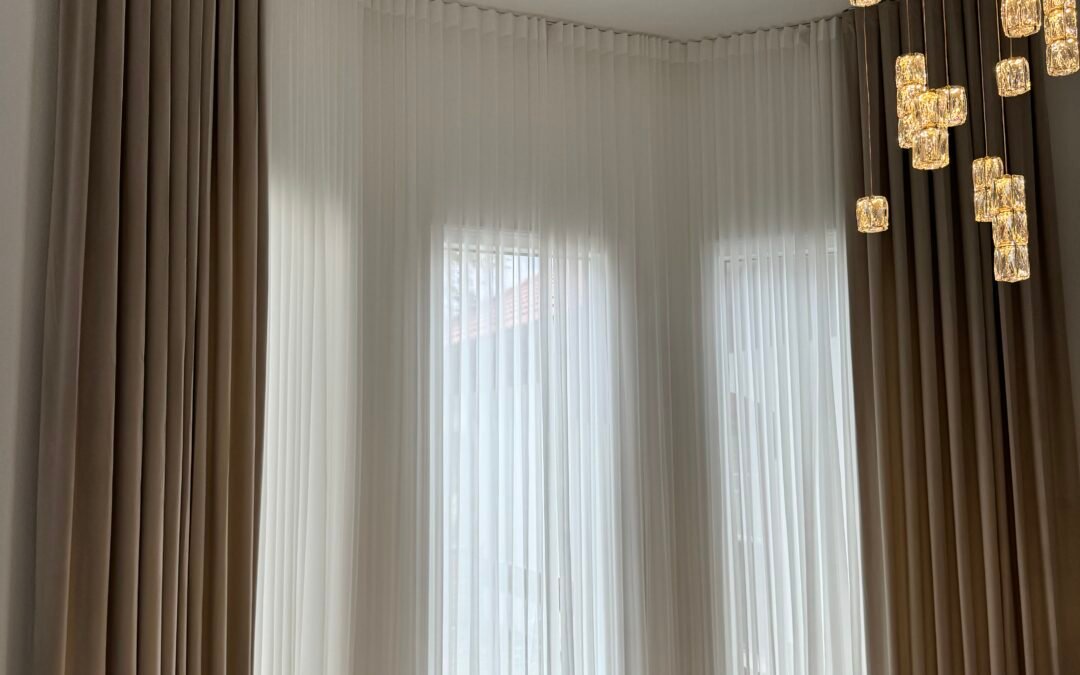
Sheer vs. Blackout Curtains: How to Choose Based on Light and Privacy
Choosing curtains is not only about color or fabric. For most people, the real decision comes down to two simple questions:
How much light do I want in this room?
How much privacy do I need?
This is where the choice between sheer and blackout curtains becomes important.
Many homeowners think this decision is obvious. Sheer curtains let light in. Blackout curtains block it. But in real homes, the answer is rarely that simple. Different rooms need different levels of light, comfort, and control. Choosing the wrong type can make a space feel uncomfortable, too dark, or too exposed.
Understanding the difference between sheer and blackout curtains helps you make choices that actually fit the way you live.
What Sheer Curtains Really Do
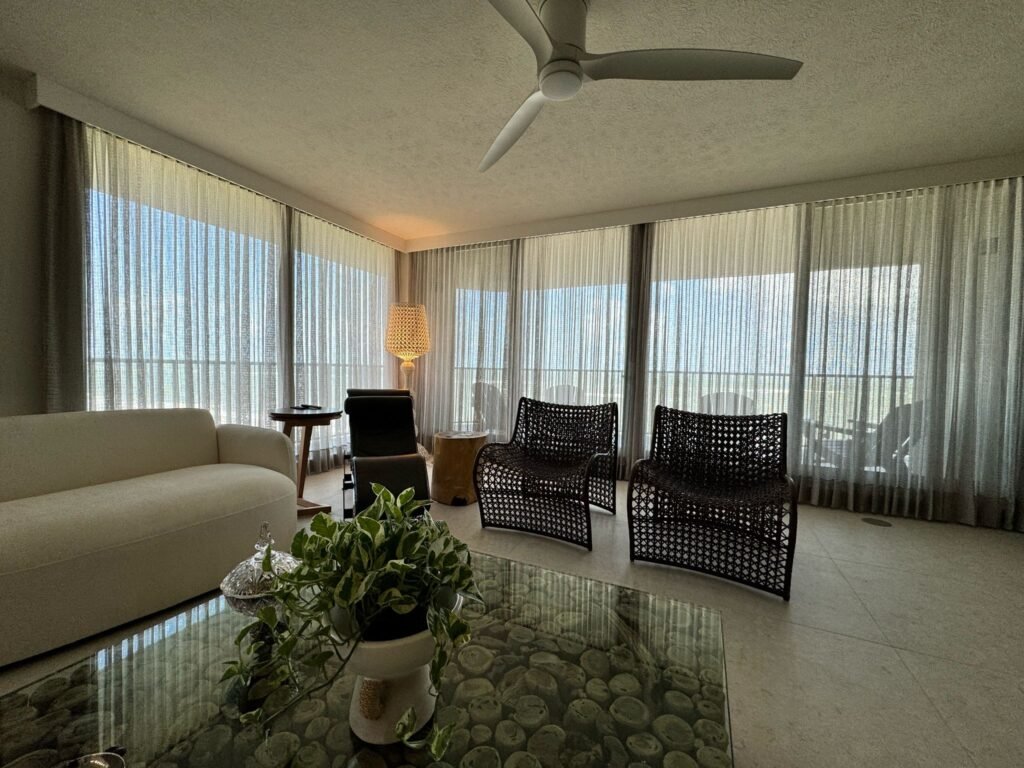
Sheer curtains are designed to filter light, not block it.
They soften sunlight, reduce glare, and create a gentle barrier between the interior and the outside world. Instead of turning a room dark, they allow daylight to enter in a more controlled and pleasant way.
Sheer curtains are often used in:
Living rooms
Dining areas
Spaces where natural light is part of the atmosphere
They work best when the goal is to maintain brightness while adding a sense of comfort and privacy during the day.
However, sheer curtains alone do not offer full privacy at night. When interior lights are on, silhouettes and movement can still be visible from outside. This is an important detail many people overlook.
What Blackout Curtains Are Designed For
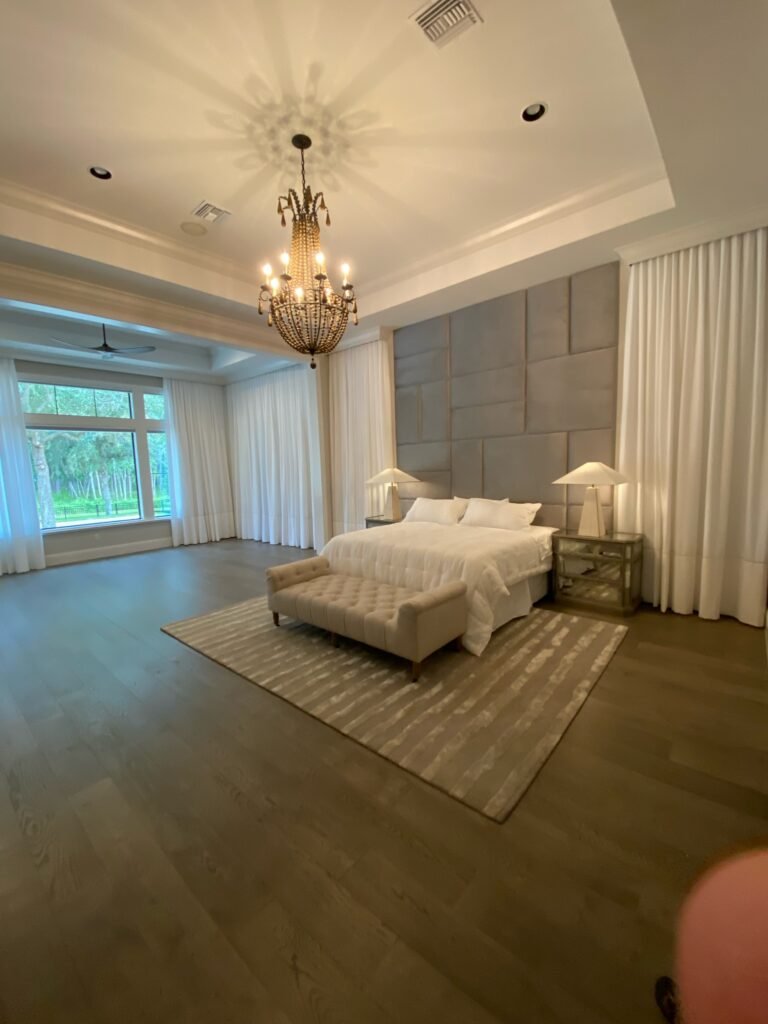
Blackout curtains are made to block light almost completely.
They are commonly used in:
Bedrooms
Media rooms
Spaces where light control is essential
By preventing outside light from entering, blackout curtains help create darker, more controlled environments. This can improve sleep, reduce screen glare, and increase privacy at all hours of the day.
Blackout curtains are also heavier and more structured than sheer fabrics. This added weight affects how they hang, move, and interact with the room, which is why length, hardware, and installation matter more with blackout options.
Light Control: The Biggest Difference Between Sheer and Blackout
The main difference between sheer and blackout curtains is how they manage light.
Sheer curtains:
Let light in
Reduce harsh glare
Keep spaces bright and open
Blackout curtains:
Block light almost entirely
Create darker, more private rooms
Offer better control over brightness
Choosing between them depends less on style and more on how the room is used. A living room that feels welcoming during the day may feel uncomfortable if it becomes too dark. A bedroom, on the other hand, often benefits from stronger light control.
Privacy: Daytime vs. Nighttime Reality
Privacy works differently during the day and at night.
During the day, sheer curtains usually provide enough privacy because outdoor light is stronger than indoor light. From inside, you can see out. From outside, it is harder to see in.
At night, this changes. Interior lights make sheer curtains much more transparent. Blackout curtains maintain privacy regardless of lighting conditions.
This is why many homes combine sheer and blackout layers instead of choosing only one option. Layering allows rooms to adapt to different moments of the day without sacrificing comfort or privacy.
How Window Size Changes the Decision
Window size plays a big role in choosing between sheer and blackout curtains.
In rooms with tall or wide windows, light becomes more intense and more difficult to control. Sheer curtains alone may feel insufficient, while blackout curtains alone may feel too heavy.
This is especially true in spaces discussed in curtains for large windows, where scale amplifies every design choice. Larger windows often benefit from layered solutions that balance openness and control.
Layered Curtains: When Sheer and Blackout Work Together
In many well-designed homes, the best solution is not choosing one over the other, but using both.
Layered curtain systems typically include:
A sheer layer for daytime light
A blackout or lined layer for evening privacy and comfort
This approach offers flexibility. You can enjoy natural light during the day and complete privacy at night without changing the overall look of the room.
Layering also adds depth and softness to interiors, making windows feel more integrated into the design rather than treated as flat surfaces.
Fabric Matters More Than Most People Think
Not all sheer fabrics behave the same way. Not all blackout fabrics block light equally.
The way a fabric hangs, moves, and reacts to light depends on its weight, weave, and finish. Choosing the right material is just as important as choosing the right type.
Understanding fabric behavior in custom drapes helps avoid common frustrations, such as curtains that feel too stiff, too transparent, or difficult to use over time.
Fabric and function should always be considered together.
Sheer vs. Blackout in Daily Life
The best curtain choice is one that works well every day, not just on installation day.
Sheer curtains feel light and effortless, but may require pairing with another layer for privacy. Blackout curtains offer control, but can feel heavy if used in the wrong space.
In homes where comfort and usability matter, the decision often comes down to balance rather than extremes.
Where Custom Solutions Make the Difference
Many problems with sheer or blackout curtains come from standard sizing and limited options.
Ready-made panels often force homeowners to compromise on length, fullness, or fabric performance. This is where the difference between custom vs ready-made curtains becomes clear.
Custom solutions allow sheer and blackout curtains to be designed together, ensuring they work as a system rather than as separate pieces.
How This Applies to Homes in Orlando
In Orlando, strong natural light is part of daily life. Homes are designed to embrace brightness, but also need protection from glare, heat, and exposure.
This makes the balance between sheer and blackout especially important in custom curtains in Orlando homes, where light changes throughout the day and privacy needs vary by room.
Thoughtful curtain choices help interiors feel bright without becoming uncomfortable.
Comfort Is Not Just About Light
When people think about curtains, they usually think only about light. Too bright or too dark.
But comfort goes beyond that.
A room feels comfortable when:
Light is balanced
Temperature feels stable
Sounds are softer
Privacy feels natural
Sheer and blackout curtains affect all of these things, not just brightness.
Thermal Comfort: How Curtains Help Control Heat
Large windows let in a lot of light, but they also let in heat.
Sheer curtains allow sunlight to pass through, which is great for brightness but not always ideal for temperature control. Blackout curtains, especially when lined, help reduce heat coming into the room during the day and help keep warmth inside at night.
This does not turn curtains into insulation, but it does make a noticeable difference in daily comfort.
In warm climates, like Florida, this balance becomes even more important. Rooms with too much sun exposure can feel uncomfortable very quickly without the right curtain choice.
Acoustic Comfort: A Benefit People Rarely Expect
Rooms with large windows, hard floors, and high ceilings often feel noisy, even when nothing loud is happening. Sound bounces around instead of settling.
Curtains help soften this effect.
Blackout and lined curtains absorb more sound than sheer ones, helping reduce echo and making rooms feel calmer. Sheer curtains offer some softening, but their effect is lighter.
This is why many people notice that a room feels quieter after curtains are installed, even if that was not the original goal.
How Sheer and Blackout Curtains Feel in Daily Use
Living with curtains is different from looking at them.
Sheer curtains:
Feel light and easy
Move gently with air
Are pleasant to keep open all day
Blackout curtains:
Feel heavier and more solid
Block light and outside views
Are usually opened and closed at specific times
Because of this, using only blackout curtains in a living space can sometimes feel restrictive. Using only sheer curtains in a bedroom can feel uncomfortable.
This is why balance matters more than choosing a “better” option.
Why Layered Curtains Are Often the Best Choice
In many homes, the smartest solution is not picking sheer or blackout, but combining both.
Layered curtain systems allow you to:
Use sheer curtains during the day
Add blackout curtains at night
Adjust comfort without changing the look of the room
This setup works especially well in rooms with large windows, where light and privacy needs change throughout the day.
Layering also makes windows feel more complete and intentional, instead of flat or unfinished.
How Curtain Length and Weight Affect Sheer vs. Blackout Choices
Sheer and blackout curtains behave very differently depending on their length and weight.
Sheer fabrics show mistakes more easily. If the length is uneven or too short, it becomes obvious very quickly.
Blackout fabrics hide small errors better, but when mistakes appear, they feel heavier and more noticeable.
This is why understanding fabric behavior in custom drapes is so important. Fabric, length, and function must work together, especially when layering different curtain types.
When Motorized Curtains Make More Sense
In rooms with tall or wide windows, layered curtains can become heavy or hard to operate.
This is where motorized window treatments make life easier.
Motorization helps when:
Curtains are used every day
Panels are large or heavy
Windows are hard to reach
Motorized systems allow sheer and blackout layers to work smoothly together. With proper length and balance, curtains move quietly and feel effortless instead of complicated.
The technology should feel invisible. If you notice it too much, something was not planned correctly.
Choosing Sheer or Blackout by Room Type
A simple way to decide is to think about how each room is used.
Living rooms usually benefit from:
Sheer curtains
Or layered sheer + blackout
Bedrooms usually need:
Blackout curtains
Often paired with sheers for daytime comfort
Dining rooms often work best with:
Sheer curtains only
Media rooms or home offices may require:
Stronger light control
Blackout or lined curtains
There is no single rule that works for every room. The right choice depends on daily habits, not trends.
Why Custom Solutions Solve Most Problems
Many issues with sheer and blackout curtains come from limitations in ready-made options.
Standard panels force compromises in:
Length
Fabric quality
Layering options
This is where the difference between custom vs ready-made curtains becomes clear. Custom solutions allow sheer and blackout curtains to be designed together, with correct length, balance, and movement from the start.
This avoids frustration later.
How This Decision Plays Out in Orlando Homes
In Orlando, strong sunlight is part of everyday life. Homes are designed to welcome light, but also need ways to control it.
Choosing between sheer and blackout curtains, or combining both, is especially important in custom curtains in Orlando homes, where light, heat, and privacy change throughout the day.
Well-planned curtains allow homes to stay bright without becoming uncomfortable.
A Simple Way to Decide
If the room needs light during the day, start with sheer curtains.
If the room needs darkness or privacy at night, add blackout curtains.
If the room needs both, layer them.
Simple decisions lead to better results.
Final Thoughts
Sheer and blackout curtains are not opposites. They are tools.
When chosen thoughtfully, they work together to create spaces that feel comfortable, balanced, and easy to live in. The best curtain choice is not the one that looks good in a photo, but the one that feels right every day.
That is when design truly works.